
It could be Anemia. And it's more common than you think.

Small changes can bring big energy back into your life.

Know What To Watch For. For You and Your Baby.
Anemia is a condition in which the body does not have enough healthy red blood cells or haemoglobin to carry enough oxygen to the body for normal functioning. It is usually diagnosed by checking haemoglobin or hematocrit levels in the blood. [1]
According to the Global Burden of Disease 2021, anemia affected 24.3% of the population globally, with 14.1% having mild anemia, 9.3% moderate anemia, and 0.9% severe anemia. [5]
In India, the National Family Health Survey (NFHS-5) reported anemia in 25% of men and 57% of women aged 15–49 years, while its prevalence among older adults ranged between 52% and 68%. [6]
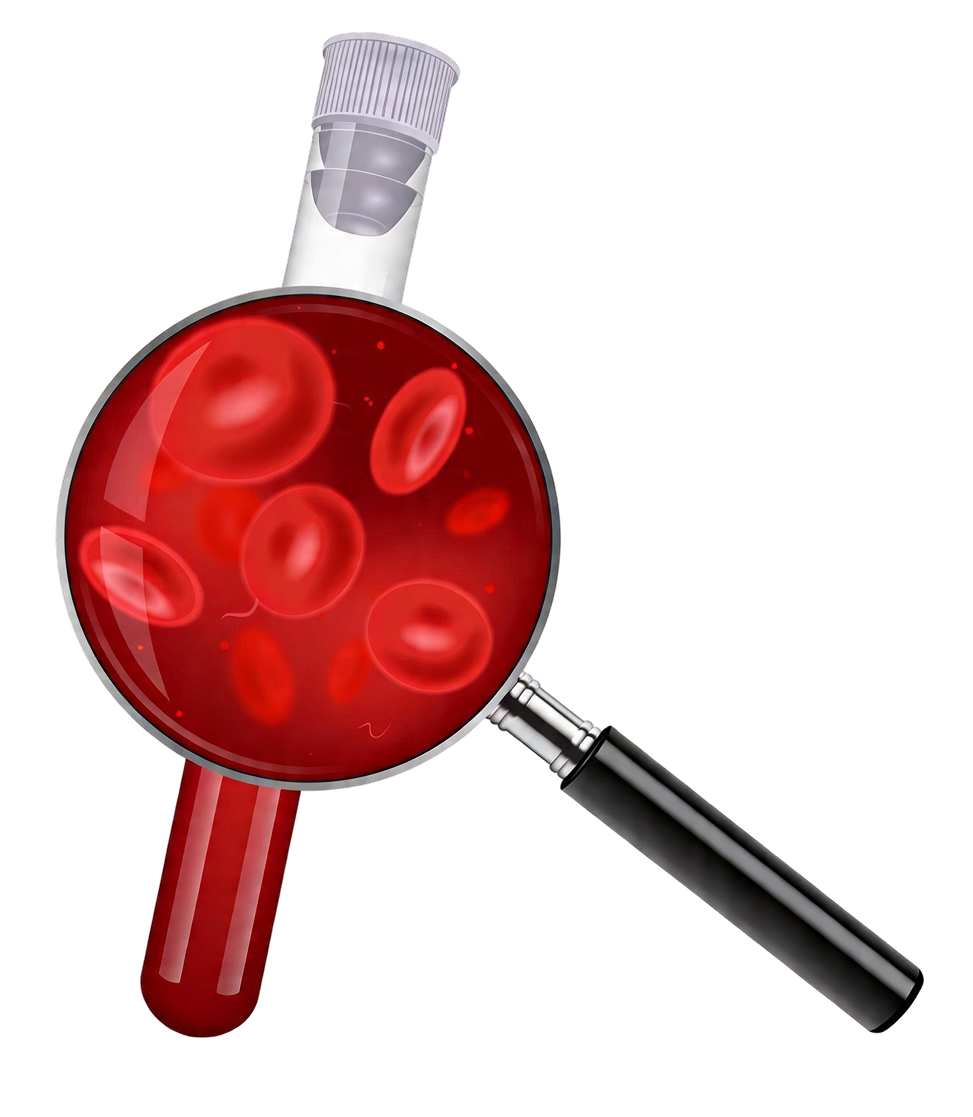
Anemia can result from iron or vitamin deficiency, chronic disease, blood loss, or inherited conditions like sickle cell anemia.[9A]
Women of childbearing age, pregnant women, young children, and people with chronic illnesses face the highest risk of developing anemia.[7,8,9]
Yes, with the right diagnosis, most forms of anemia are highly manageable through diet changes, supplements, or medical treatment.
Myths around Anemia are common. Get the facts straight.
Know More On Anemia
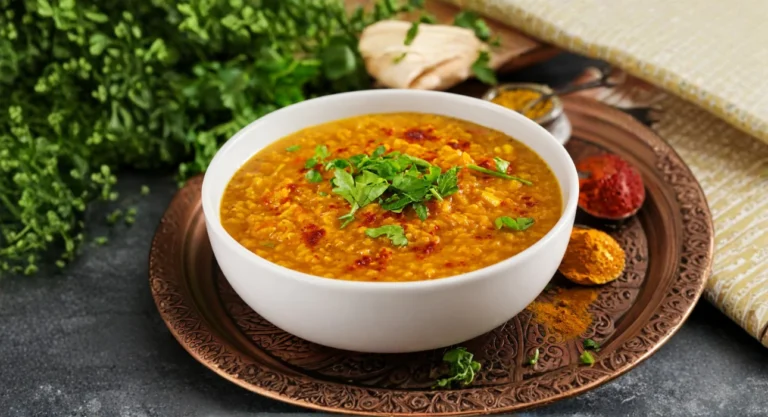
Discover Recipes Thoughtfully Designed To Support Your Iron Levels
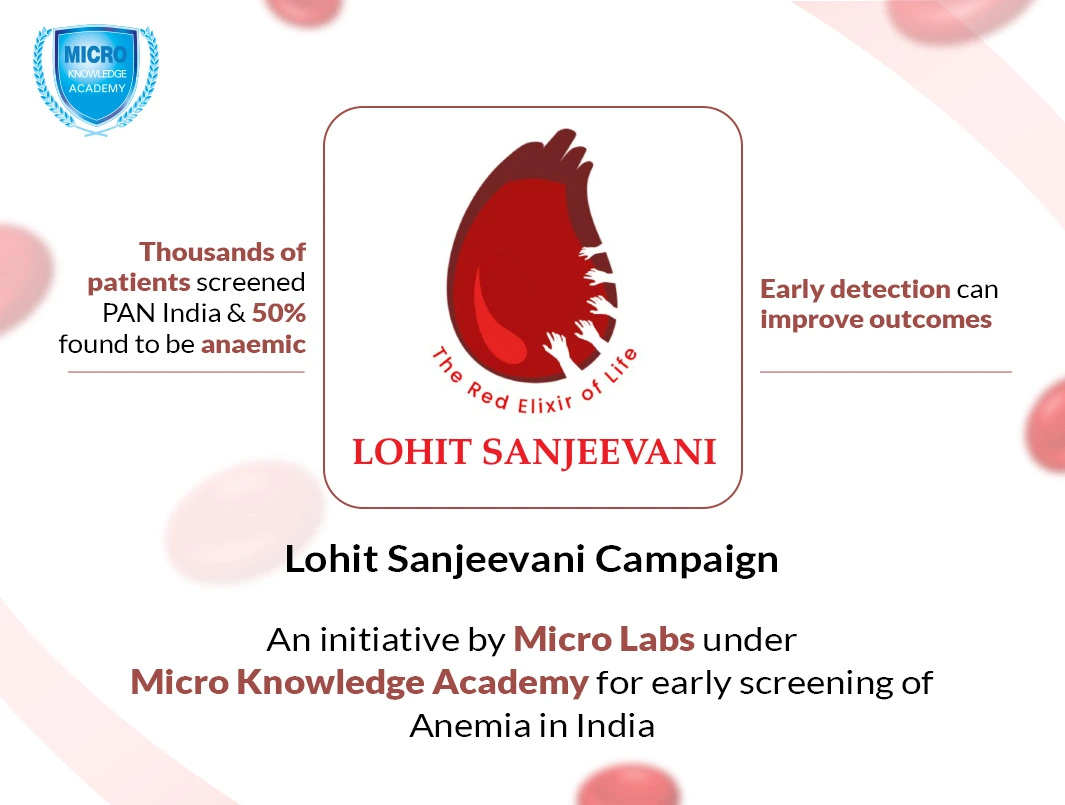
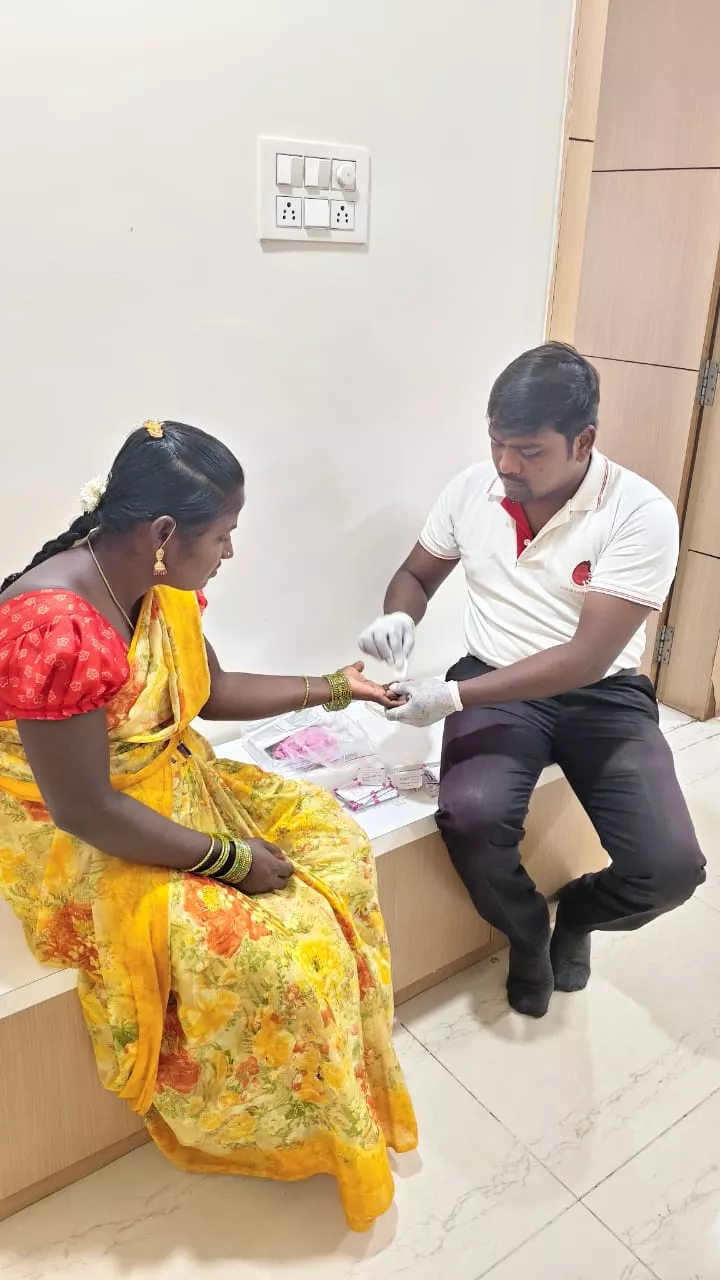
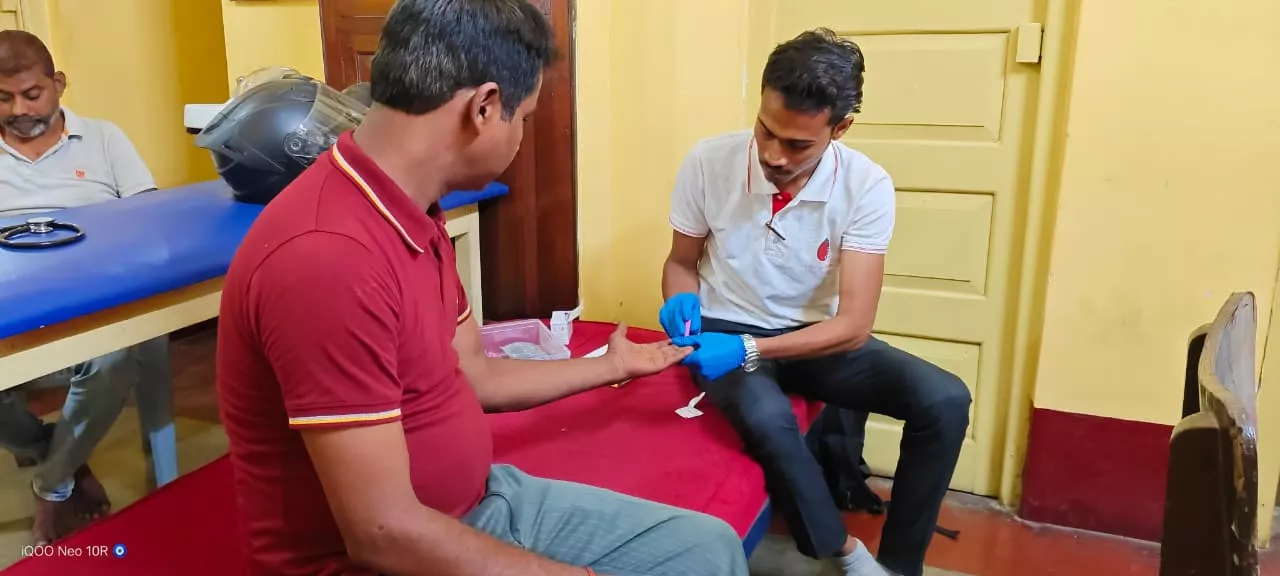
Lohit Sanjeevani Campaign: An Initiative for Early Detection of Anemia in India
Learn MoreAnemia is the silent epidemic no one is talking about. It doesn't announce itself. It just quietly steals your energy, your focus, and your quality of life. 40% of children under 5 globally are affected by anemia making early screening a critical public health priority.
Through the Lohit Sanjeevani Campaign, focused on early anemia detection, widespread screening efforts have been conducted across India. The results point to a substantial burden of anemia, emphasising the critical need for early identification and intervention.
Expert Perspectives on Anemia
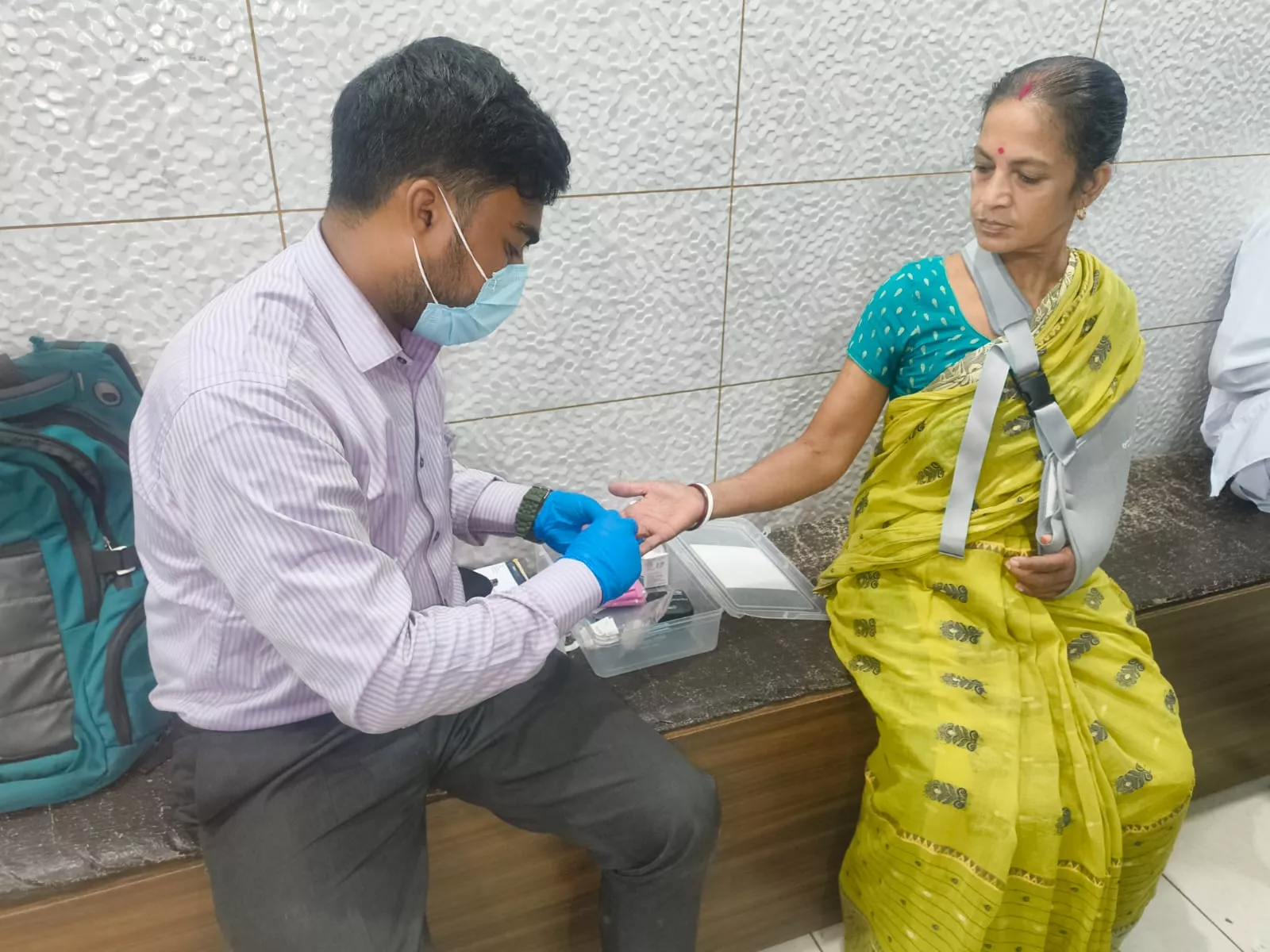
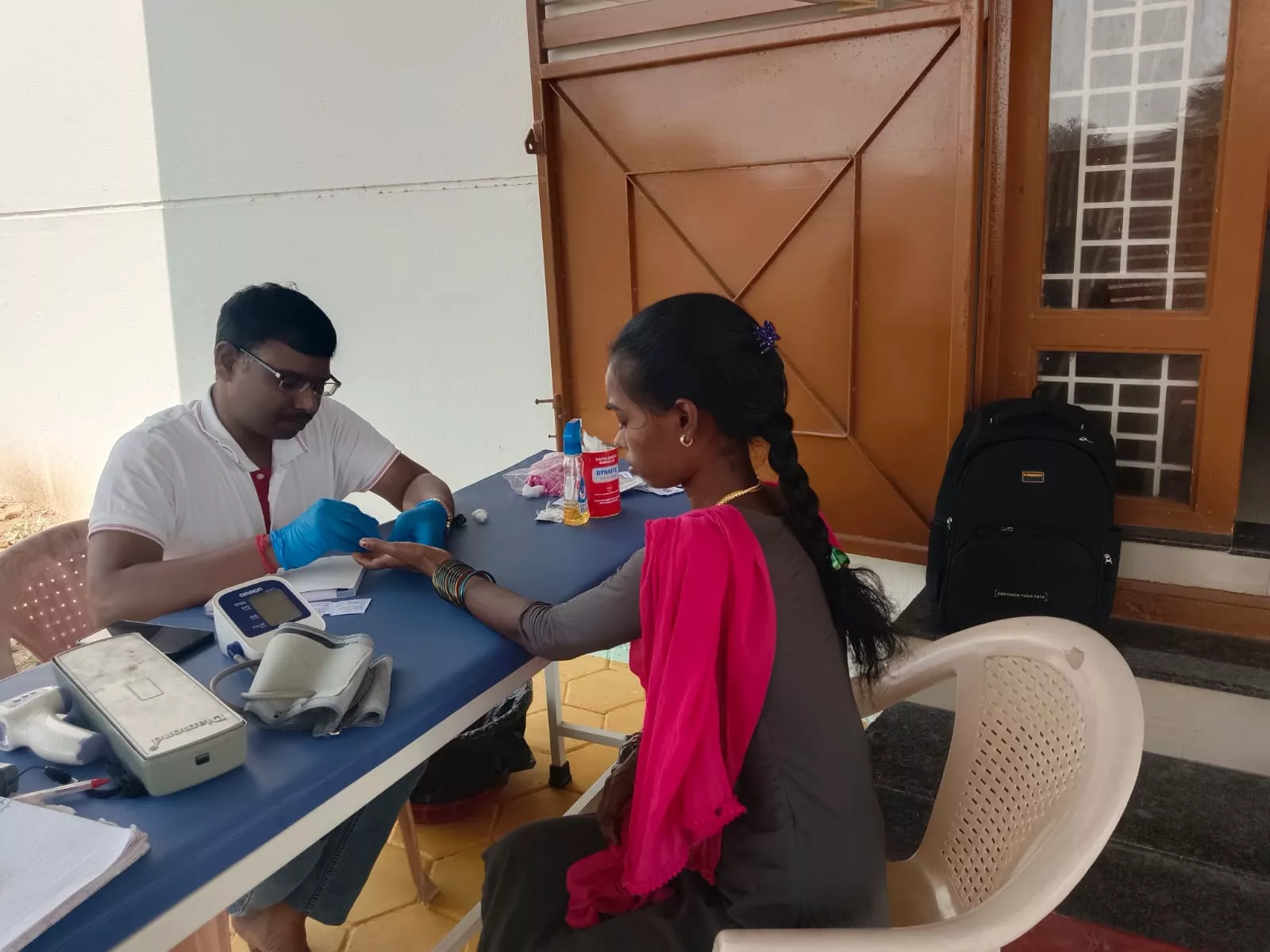
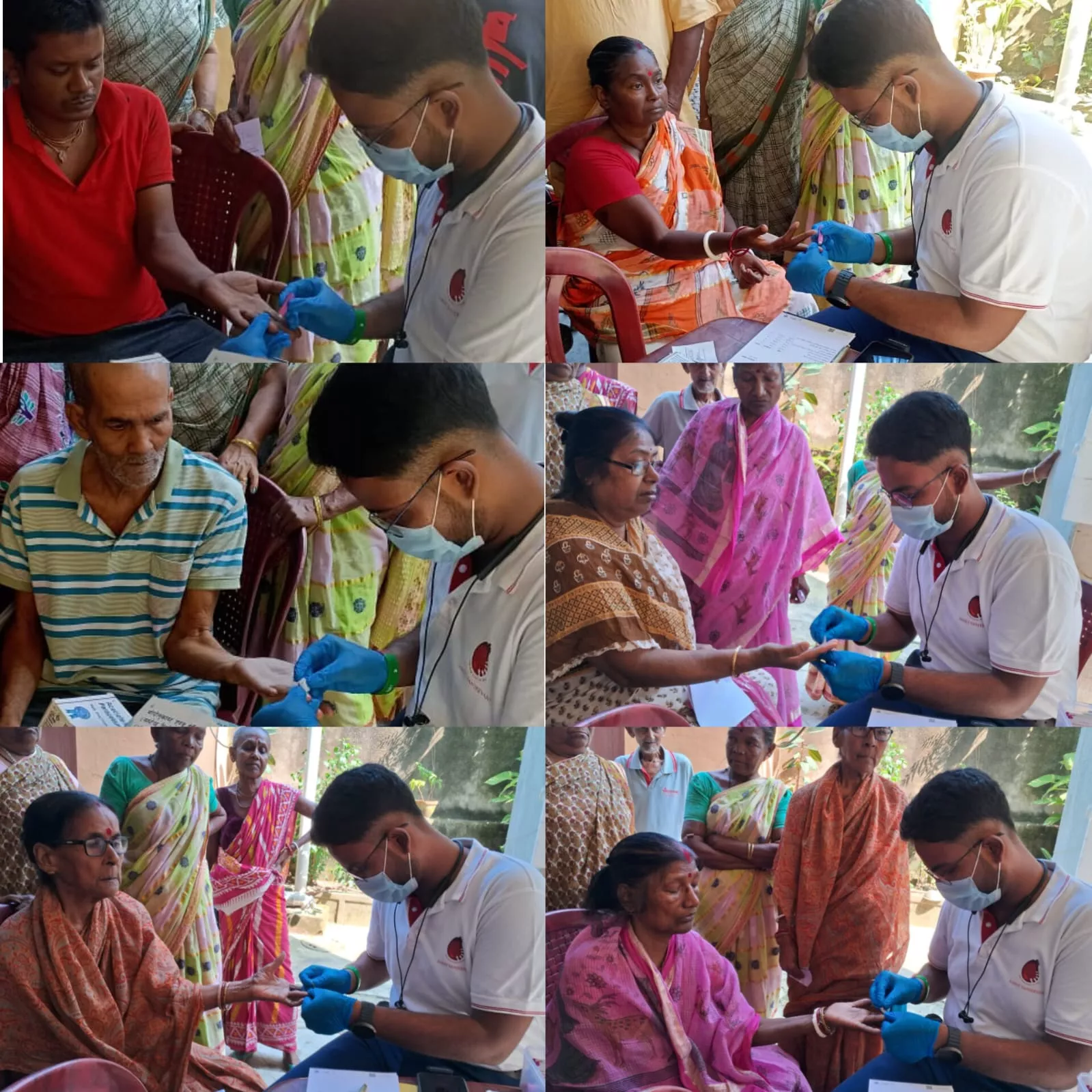
Nearly 37% of pregnant women and 30% of non-pregnant women worldwide suffer from anemia, making it a critical women's health issue that demands urgent attention[9A].
Many people live with anemia for years without a diagnosis. Chronic fatigue, poor concentration, and weakened immunity are often dismissed as stress when the real cause is low haemoglobin.

Over 40% of children under the age of 5 globally are anemic[9A]. Untreated anemia in early childhood can impair brain development and long-term cognitive performance[14].
A routine complete blood count (CBC) test is all it takes to diagnose anemia. When caught early, over 90% of iron-deficiency cases are fully treatable through diet and supplementation[13].
Together, through awareness and action, we can make anemia
a preventable condition not a life sentence.
What is anemia?
Anemia is a condition in which the number of red blood cells or haemoglobin concentration is lower than normal to carry oxygen properly.
What are the common symptoms?
Common symptoms include fatigue, weakness, shortness of breath, dizziness, paleness, and reduced exercise tolerance.
What causes anemia?
Most common causes are iron deficiency, vitamin B12 or folate deficiency, blood loss, chronic inflammation, kidney disease, infections, and inherited blood disorders such as thalassemia or sickle cell disease.
Who is at risk?
Women of reproductive age, pregnant women, children, adolescents, older adults, and people with chronic disease or poor nutrition are at higher risk.
How is anemia diagnosed?
It is usually diagnosed with a complete blood count, especially haemoglobin and red cell indices; sometimes iron studies, vitamin levels, and kidney function tests are also needed.
How is anemia treated?
Treatment depends on the cause and may include iron, folate, or vitamin B12 replacement, treatment of blood loss, management of chronic disease, or in severe cases transfusion.
Can anemia be prevented?
Many cases can be prevented by a balanced diet, adequate iron and vitamin intake, treating heavy blood loss, and managing underlying illnesses early.
When should a doctor be consulted?
Medical check-up is important if there is persistent fatigue, breathlessness, paleness, black stools, heavy periods, or known low haemoglobin.